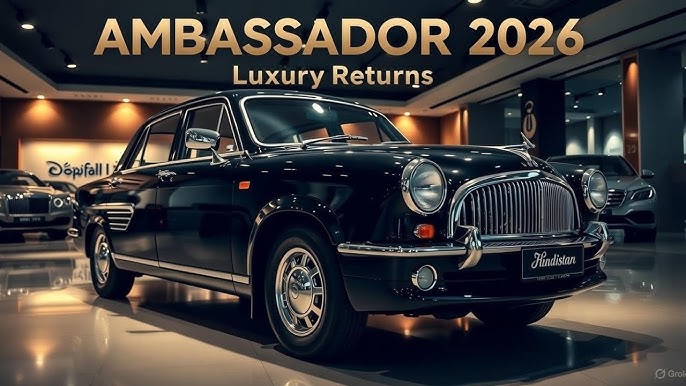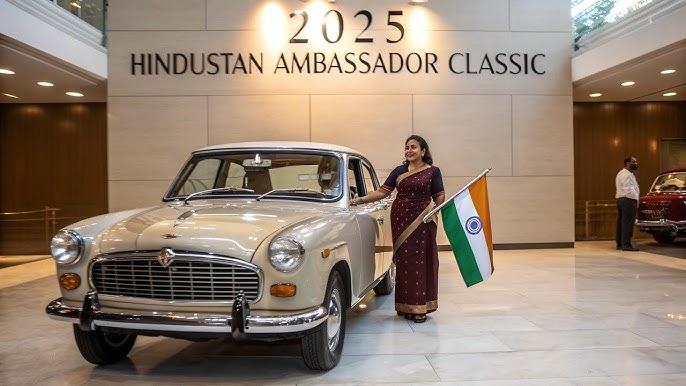
Before cars became about speed and screens, there was one machine that symbolized pride, power, and permanence—the Ambassador Classic.
A Car That Became India’s Identity
The Ambassador Classic was not just a car; it was a living symbol of Indian roads for decades. From government offices to family garages, from city streets to rural highways, this car quietly became part of everyday life. The Standard Later Version of the Ambassador carried forward this legacy, representing reliability, dignity, and an era when cars were built to last a lifetime.
Design: Simple, Solid, and Instantly Recognizable
The design of the Ambassador Classic was unmistakable. Its rounded body, wide chrome grille, circular headlamps, and solid metal construction gave it a commanding presence. The Later Version retained the iconic British-inspired silhouette but with subtle refinements that made it feel more settled and mature. It wasn’t flashy—but it had authority. On the road, the Ambassador didn’t ask for attention; it naturally received it.
Interior: Space, Comfort, and Old-School Charm
Step inside the Ambassador Classic, and you entered a world of simplicity and space. The wide bench seats, generous legroom, and upright seating position made long journeys surprisingly comfortable. The dashboard was minimal, functional, and free from distractions. This was a car designed for conversations, slow drives, and comfort—not screens and buttons.

Engine and Performance: Built for Indian Conditions
The Standard Later Version of the Ambassador came with petrol and diesel engine options, known more for endurance than speed. It handled rough roads, heavy loads, and long hours without complaint. The suspension was soft, making bumpy Indian roads feel manageable. While acceleration was modest, the Ambassador excelled at stability and durability—qualities that mattered most at the time.
Why the Ambassador Became the Government’s Favorite
One of the strongest reasons for the Ambassador’s legendary status was its association with power and authority. Ministers, senior officers, and officials across India relied on it for decades. The car’s solid build, ample rear-seat comfort, and dignified presence made it the perfect official vehicle. Over time, the Ambassador became synonymous with leadership and respect.
Maintenance and Longevity: A Car That Never Gave Up
The Ambassador Classic was known for its easy maintenance and long life. Spare parts were readily available, mechanics understood it deeply, and repairs were straightforward. Many Ambassadors stayed on the road for 30–40 years, often passed down through generations. This was a car that aged with its owner.
Cultural Impact: More Than Just Transportation
From Bollywood films to political rallies, from wedding processions to taxi services, the Ambassador was everywhere. It wasn’t just a vehicle—it was woven into India’s cultural fabric. Seeing one today instantly brings nostalgia, reminding people of slower mornings, quieter roads, and simpler times.

The End of an Era, But Not the Legacy
Though production eventually stopped, the Ambassador Classic continues to live on in memories, restored collections, and hearts of car lovers. Vintage car enthusiasts still preserve it as a reminder of Indian automotive history. The Standard Later Version stands as proof that timeless design and honest engineering never truly fade.
Final Thoughts
The Ambassador Classic (Standard Later Version) wasn’t built to impress—it was built to endure. In a world chasing constant upgrades, it reminds us of a time when one car was enough for a lifetime. Solid, dependable, and deeply Indian, the Ambassador will always remain a legend on wheels.