Common Toyota Problems Explained – Most Reported Toyota Issues & Fixes
Discover the most common Toyota problems, including engine issues, transmission faults, oil consumption, and hybrid battery concerns. Learn causes, symptoms, and solutions.
Introduction: Are Toyota Cars Really Problem-Free?
Toyota Motor Corporation is globally known for reliability, durability, and long-lasting vehicles. From family sedans to SUVs and hybrids, Toyota has built a strong reputation for quality engineering.
However, like any automobile manufacturer, Toyota vehicles are not completely free from mechanical or technical issues. While many Toyota cars are dependable, some models have experienced recurring concerns over the years.
In this detailed guide, we’ll explore the common Toyota problems, the most reported Toyota issues, their causes, symptoms, and possible solutions. If you own a Toyota or plan to buy one, this SEO-optimized article will help you make an informed decision.
Excessive Oil Consumption in Some Models
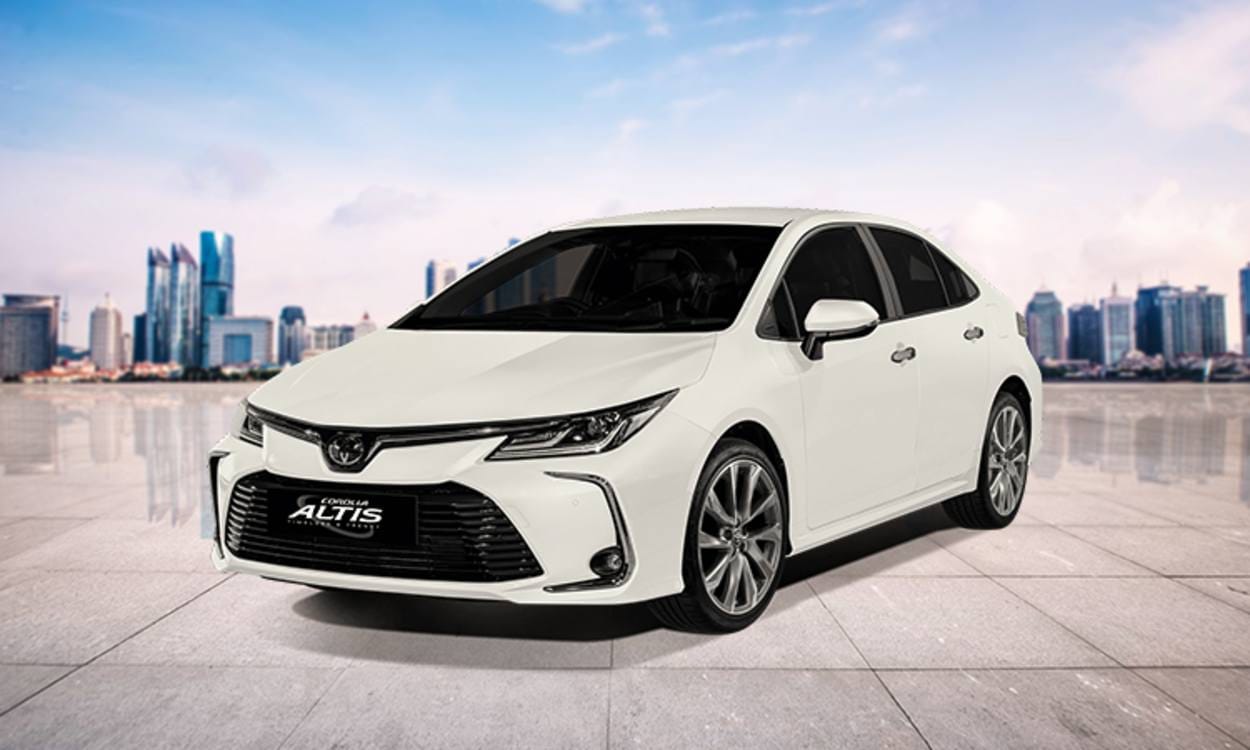
One of the most discussed Toyota engine problems is excessive oil consumption. Certain models like the Toyota Camry, Toyota Corolla, and Toyota RAV4 have reported higher-than-normal oil usage in specific production years.
Owners often notice that engine oil levels drop quickly between service intervals. In some cases, this happens due to faulty piston rings that allow oil to burn inside the engine. Symptoms may include low oil warning lights, blue smoke from the exhaust, or engine knocking sounds. Regular oil checks and timely servicing can help prevent serious engine damage. In severe cases, engine repairs may be required.
Transmission Problems and Rough Shifting
Although Toyota transmissions are generally smooth and durable, some drivers have reported Toyota transmission problems, particularly in older automatic models. Common complaints include delayed gear shifts, jerking while accelerating, and transmission slipping.
These issues can occur due to low transmission fluid, worn internal components, or outdated software in modern automatic gearboxes. Regular transmission fluid replacement and proper maintenance can significantly reduce the risk of transmission failure. Ignoring early warning signs may lead to costly repairs
Unintended Acceleration Controversy
In the late 2000s, Toyota faced global attention due to reports of unintended acceleration in vehicles such as the Toyota Prius and Toyota Avalon. Drivers reported that their vehicles accelerated without pressing the pedal.
Investigations revealed that in some cases, improperly fitted floor mats or sticky accelerator pedals contributed to the issue. Toyota issued recalls and implemented safety improvements. Modern Toyota vehicles now include advanced electronic safety systems designed to prevent such problems.
Hybrid Battery Replacement Concerns
Toyota is a pioneer in hybrid technology, especially with models like the Prius. However, one of the commonly searched Toyota hybrid problems involves hybrid battery life and replacement costs.
Hybrid batteries typically last between 8 to 10 years, depending on usage and driving conditions. Over time, drivers may notice reduced fuel efficiency, warning lights, or decreased performance. While replacement can be expensive, Toyota often provides extended warranties on hybrid batteries, and refurbished options are available in many markets.

Brake System Complaints
Some Toyota owners have reported brake-related issues such as squeaking sounds, soft brake pedals, or premature brake pad wear. In hybrid vehicles, regenerative braking systems sometimes create a slightly unusual brake feel compared to conventional cars.
Regular brake inspections and timely pad replacement can resolve most Toyota brake problems. Routine maintenance ensures braking systems function safely and efficiently.
Steering and Suspension Issues
Another category of common Toyota problems involves steering and suspension components. Drivers may experience vibrations, uneven tire wear, or noises while turning the steering wheel.
These issues are often caused by worn suspension bushings, damaged tie rods, or power steering fluid leaks. Proper wheel alignment and periodic inspections can help prevent expensive suspension repairs.
Infotainment and Electrical Problems
Modern Toyota vehicles come equipped with touchscreen infotainment systems and advanced electronics. However, some owners report screen freezing, Bluetooth connectivity issues, or reverse camera malfunctions.
Most of these Toyota electrical problems are software-related and can be fixed through system updates. Keeping your vehicle’s software up to date reduces the likelihood of recurring glitches.
Airbag and Safety Recalls
Like many global manufacturers, Toyota has issued recalls related to airbag systems over the years. While these recalls affected several brands worldwide, Toyota acted quickly to address the concerns.
It is always recommended to check your vehicle identification number (VIN) for open recalls and get necessary updates completed to ensure safety.
Are Toyota Cars Still Reliable?
Despite these reported Toyota reliability problems, the brand continues to rank highly in global reliability studies. Many Toyota vehicles easily exceed 200,000 kilometers with proper maintenance.
Models such as the Toyota Innova, Toyota Fortuner, and Toyota Hilux are widely known for durability and long-term performance.
The key to avoiding common Toyota issues lies in preventive maintenance, regular servicing, and addressing minor problems early.
Conclusion
While Toyota Motor Corporation is known for manufacturing reliable vehicles, understanding the common Toyota problems helps owners stay prepared. Issues such as oil consumption, transmission complaints, hybrid battery concerns, and infotainment glitches are manageable when identified early.
With proper care, Toyota cars remain among the most dependable vehicles in the automotive industry. Regular maintenance, timely repairs, and awareness of potential issues will ensure your Toyota continues running smoothly for years