Introduction
Intercity travel has long been a necessity for students, working professionals, families, and budget-conscious travelers. While flights and trains often dominate the conversation, bus travel remains one of the most affordable and widely used modes of transportation, especially for short to medium distances. However, traditional bus booking has often been associated with long queues, inconsistent pricing, limited transparency, and outdated systems. This is where Buser steps in to modernize the experience.
Buser is a digital bus travel platform designed to make intercity bus journeys more accessible, affordable, and efficient. By leveraging technology and optimized routes, Buser connects travelers with cost-effective bus services while eliminating the friction commonly associated with conventional bus bookings. Instead of relying on physical counters or fragmented operators, users can plan, compare, and book their journeys online with ease.
The platform has gained popularity among travelers who prioritize price transparency, convenience, and simplicity. Buser’s model focuses on aggregating demand, optimizing capacity, and passing savings directly to passengers. In doing so, it positions itself not just as a booking platform, but as a smart mobility solution for modern travelers.
The Buser Travel Philosophy
At its core, Buser is built around one key idea: bus travel should be simple, affordable, and reliable. Unlike premium travel services that emphasize luxury, Buser focuses on solving everyday transportation challenges. It aims to serve students traveling between cities, professionals commuting for work, and families planning budget-friendly trips.
Buser achieves this by working closely with bus operators and using data-driven demand analysis. Instead of running underutilized routes, the platform focuses on optimizing schedules based on real demand. This approach reduces operational inefficiencies and helps keep ticket prices lower than traditional booking options.
Another defining aspect of Buser is its digital-first experience. From browsing routes to ticket confirmation, everything happens online. Digital tickets eliminate the need for printed passes, while real-time notifications keep travelers informed about schedules and boarding details.
Offers, Discounts, and Cost Benefits
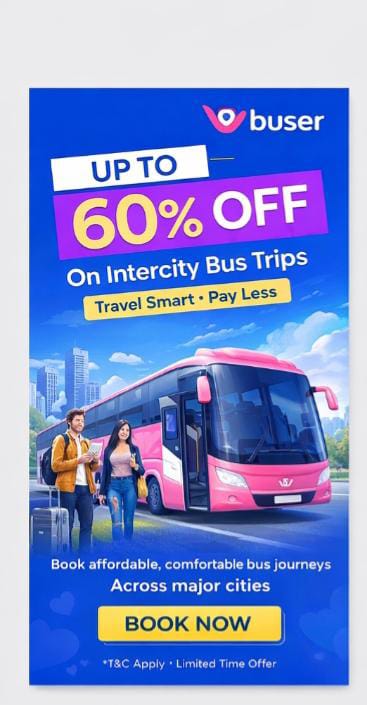
One of Buser’s strongest appeals is its pricing strategy. The platform consistently offers fares that are competitive and often lower than traditional bus booking channels. This makes it particularly attractive to frequent travelers and budget-conscious users.
Buser regularly introduces promotional discounts, early-booking offers, and limited-time deals. These offers are designed to reward travelers who plan ahead or travel during off-peak periods. Seasonal promotions and referral programs further enhance affordability.
Unlike many traditional systems where pricing can vary unpredictably, Buser emphasizes price transparency. Users can see the full fare upfront, reducing uncertainty and helping travelers plan their expenses more effectively.
From a value perspective, Buser’s affordability does not come at the cost of convenience. The platform ensures that users still benefit from digital booking, route clarity, and customer support—features that were once associated only with premium travel platforms.
User Experience and Convenience
Buser’s user experience is designed to minimize friction at every step of the journey. The booking interface is clean and intuitive, allowing users to quickly search routes, select travel dates, and confirm reservations. Even first-time users can navigate the platform with ease.
Digital ticketing is another key advantage. Travelers no longer need to worry about losing paper tickets or waiting in line for physical confirmations. Boarding processes are streamlined, saving time and reducing stress—especially for early-morning or late-night journeys.
Buser also focuses on clear communication. Notifications about departure times, boarding locations, and schedule updates help travelers stay informed. This level of clarity is particularly valuable in bus travel, where confusion around pickup points is common.
Who Should Use Buser?
Buser is particularly well-suited for travelers who value affordability and simplicity. Students traveling between home and college, professionals commuting between cities, and families planning budget-friendly trips can all benefit from the platform’s pricing and convenience.
It is also ideal for travelers who prefer digital solutions over traditional ticket counters. Those comfortable with online booking and mobile-based travel management will find Buser’s approach intuitive and efficient.
However, travelers seeking luxury amenities, premium seating, or high-end onboard services may prefer specialized premium operators. Buser’s strength lies in delivering reliable transportation at the best possible price, not luxury experiences.

Comparison With Other Bus Booking Options
To understand Buser’s position in the market, it is useful to compare it with alternatives such as RedBus, traditional ticket counters, and direct operator bookings.
Platforms like RedBus offer a wide variety of operators and routes, making them suitable for travelers who want multiple choices and detailed comparisons. However, pricing on such platforms can sometimes be higher due to operator commissions and fragmented pricing models.
Traditional ticket counters lack transparency and convenience. Travelers often face long queues, inconsistent pricing, and limited route visibility. While counters may still be useful in certain regions, they are increasingly inefficient compared to digital platforms.
Buser differentiates itself by focusing on optimized pricing and simplicity. Instead of overwhelming users with hundreds of operator options, it prioritizes cost-effective routes and streamlined choices.
Comparison Table: Buser vs Other Bus Booking Options
| Feature | Buser | RedBus | Ticket Counters |
| Online Booking | Yes | Yes | No |
| Price Transparency | High | Medium | Low |
| Discounted Fares | Frequent | Occasional | Rare |
| Digital Tickets | Yes | Yes | No |
| Convenience | High | High | Low |
| Best For | Budget Travelers | Choice Seekers | Offline Users |

Strengths and Limitations
Buser’s greatest strength is its value-driven approach. By focusing on affordability, transparency, and efficiency, it addresses the core pain points of bus travel. The platform simplifies decision-making, making it easier for travelers to book with confidence.
Another advantage is its scalability. As demand grows, Buser can expand routes and optimize schedules, improving availability without significantly increasing costs. This makes it a promising solution for growing urban and intercity mobility needs.
However, Buser does have limitations. Route availability may be narrower compared to large aggregators, and amenities may vary depending on the operator. Travelers who require highly specific routes or luxury features may need to explore alternative options.
The Future of Bus Travel and Buser’s Role
As transportation continues to evolve, bus travel is gaining renewed relevance due to its cost efficiency and lower environmental impact compared to flights. Platforms like Buser play a crucial role in modernizing this segment by making it more accessible and user-friendly.
By integrating technology with demand-based pricing, Buser contributes to a more sustainable and efficient travel ecosystem. Its digital-first approach aligns well with the preferences of younger travelers and tech-savvy commuters.
Final Verdict
Buser represents a practical, affordable, and modern approach to intercity bus travel. It may not offer luxury or extensive customization, but it excels in delivering what matters most to everyday travelers—low prices, simplicity, and convenience.
For students, professionals, and families looking to travel between cities without overspending, Buser is a smart and reliable choice. With regular discounts, transparent pricing, and a streamlined booking experience, it stands out as a strong alternative to traditional bus booking methods.