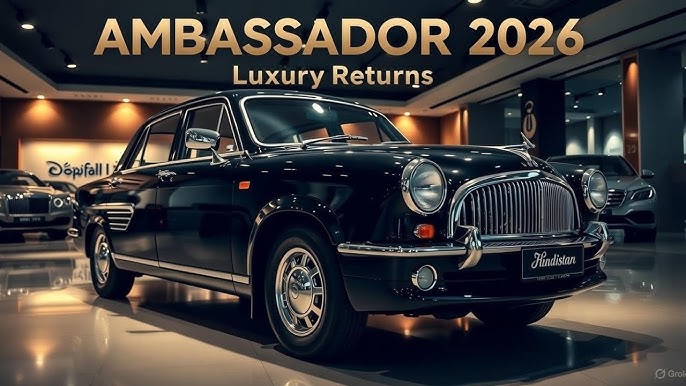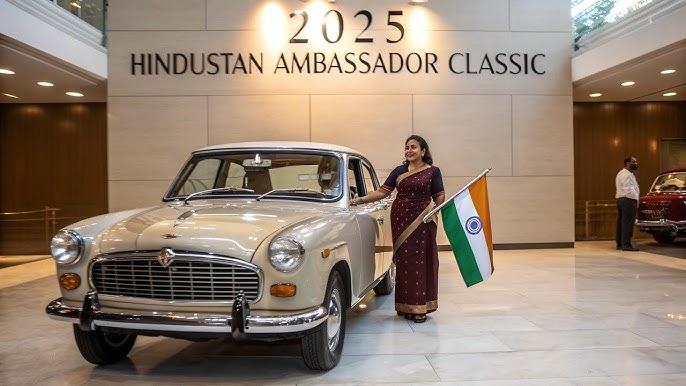
The Hindustan Ambassador is not just a car; it is a living chapter of India’s automotive history. For decades, it ruled Indian roads with unmatched authority and presence, becoming a symbol of power, reliability, and national pride. Its unmistakable design and sturdy build made it instantly recognizable, while its performance was tailored to survive and thrive in Indian driving conditions. Even as times changed, the Ambassador evolved gradually, embracing modern features while preserving its timeless soul.
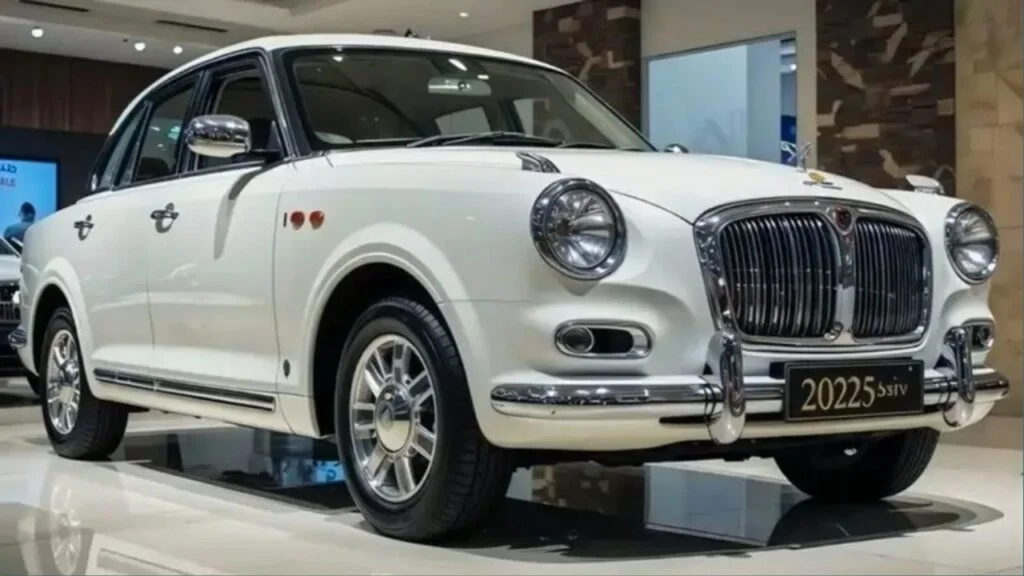
The design of the Hindustan Ambassador was one of its strongest identities. Inspired by the British Morris Oxford, the car featured a tall and upright stance that conveyed strength and dignity. The rounded body panels, wide grille, large circular headlamps, and long bonnet gave it a stately appearance unlike any other car on Indian roads. The high roofline and broad doors were not just aesthetic choices but practical design elements that ensured easy entry, exit, and generous headroom. Inside, the spacious cabin could comfortably accommodate five passengers, making it a favorite among families and government officials alike. The Ambassador’s design emphasized comfort, space, and durability over flashy styling, which is why it aged gracefully over the years.
When it came to performance, the Hindustan Ambassador was engineered for endurance rather than speed. Built on a strong ladder-frame chassis, it could handle rough roads, heavy loads, and long journeys with ease. The soft suspension system absorbed potholes and uneven surfaces effortlessly, delivering a smooth and stable ride even on poorly maintained roads. Over time, the Ambassador was offered with both petrol and diesel engine options, with the diesel variant gaining immense popularity for its fuel efficiency and long engine life. While it was not known for quick acceleration or sporty handling, its steady performance and reliability made it a trusted companion for decades.
Driving an Ambassador was an experience rooted in comfort and confidence. The car’s weight and balanced design provided excellent road grip, especially on highways. Its rear-wheel-drive setup contributed to stability, while the simple mechanical structure made maintenance easier and more affordable. Mechanics across the country were familiar with the Ambassador, which added to its practicality and long-term usability. This focus on functionality ensured that many Ambassadors remained on the road for decades, a rare achievement in the automotive world.
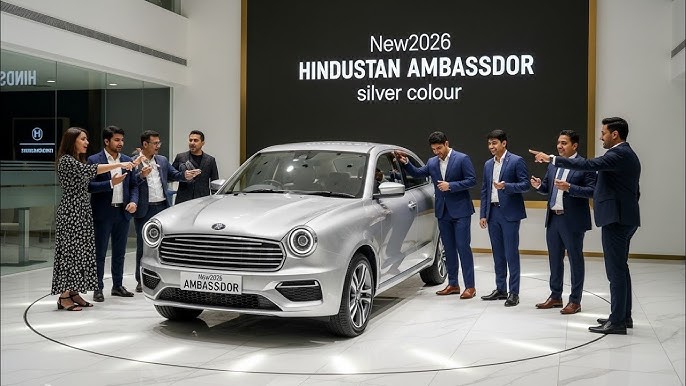
As the market evolved, Hindustan Motors introduced modern features to keep the Ambassador relevant. Later models came equipped with power steering, making the car easier to maneuver despite its size. Front disc brakes improved safety and braking performance, while better gearboxes enhanced driving comfort. Interiors were upgraded with improved seats, refined dashboards, and better instrumentation. Features such as air conditioning, central locking, and improved electrical systems added a touch of modern convenience to the classic vehicle.
The Ambassador also saw improvements in refinement over the years. Noise levels were reduced, engines became more efficient, and overall ride comfort was enhanced. These changes reflected an effort to blend the traditional character of the Ambassador with the expectations of a modern car buyer. While it never transformed into a high-tech vehicle, it stayed true to its identity as a dependable, no-nonsense car with essential comforts.
In the end, the Hindustan Ambassador remains an unmatched legend in Indian automotive history. Its timeless design, rugged performance, and gradual adoption of modern features created a car that was deeply connected to the lives of millions. Even today, the Ambassador stands as a reminder of an era when cars were built with purpose, strength, and longevity in mind. Its legacy continues to inspire admiration, making it truly worthy of its iconic status.
ChatGPT can m