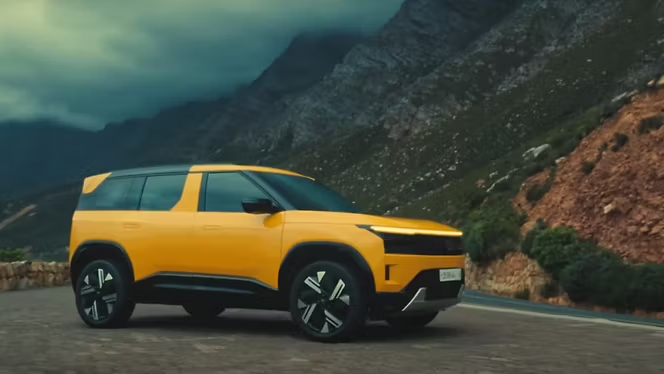
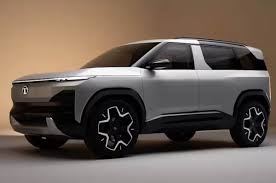
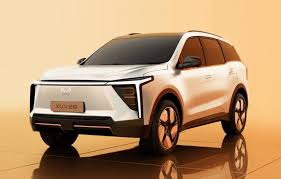
Electric cars are no longer a futuristic concept in India — they are becoming a practical, everyday reality, and by 2026, the shift will be impossible to ignore.
Introduction: A Silent Revolution on Indian Roads
India’s automotive industry is standing at the edge of a massive transformation. For decades, petrol and diesel cars ruled the roads, shaping driving habits and infrastructure. Today, electric cars are rewriting that story quietly but powerfully. What once felt experimental is now becoming mainstream, and by 2026, electric vehicles are expected to move from “alternative choice” to “default option” for many Indian buyers.
Rising fuel prices, stricter emission norms, and increasing awareness about climate change are accelerating this shift. More importantly, electric cars are now addressing real consumer concerns like driving range, charging time, and affordability. The future of mobility in India is not just electric — it is smarter, cleaner, and more sustainable.
Why India Is Rapidly Embracing Electric Cars
One of the strongest reasons behind India’s EV push is economic sustainability. India imports a large portion of its crude oil, making fuel prices highly volatile. Electric vehicles help reduce this dependency while strengthening energy security. At the same time, urban pollution levels have reached alarming heights, forcing policymakers to take action.
Government initiatives like FAME (Faster Adoption and Manufacturing of Electric Vehicles), reduced GST on EVs, and state-level subsidies have made electric cars financially attractive. Additionally, road tax exemptions and registration benefits further lower ownership costs. Together, these measures are creating a supportive ecosystem that encourages both manufacturers and consumers to switch to electric mobility.
Battery Technology: The Biggest Game Changer by 2026
Battery technology lies at the heart of electric vehicles, and this is where the most significant improvements are happening. Early EVs suffered from limited range and slow charging, but that narrative is rapidly changing. By 2026, advancements in lithium-ion batteries and the introduction of solid-state battery research are expected to improve energy density and safety.
New-generation batteries will allow electric cars to deliver real-world ranges of 400–500 km on a single charge. Faster charging technology will reduce waiting time significantly, with many EVs capable of charging up to 80% in under 30 minutes. As battery manufacturing becomes localized in India, costs are expected to drop further, making EVs more affordable for middle-class buyers.
Charging Infrastructure: From Concern to Convenience
Charging infrastructure was once the biggest barrier to EV adoption in India. Today, that challenge is being actively addressed. Major cities are witnessing rapid installation of public charging stations in malls, office complexes, parking areas, and highways. Oil companies and private players are investing heavily in fast-charging networks across key routes.
Home charging remains the most convenient solution for most EV owners. Smart chargers with app-based monitoring, scheduled charging, and safety features are becoming standard. By 2026, charging an electric car at home overnight will feel as normal as charging a smartphone — simple, predictable, and stress-free.
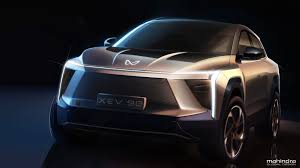
Electric Cars Becoming Affordable for Mass Buyers
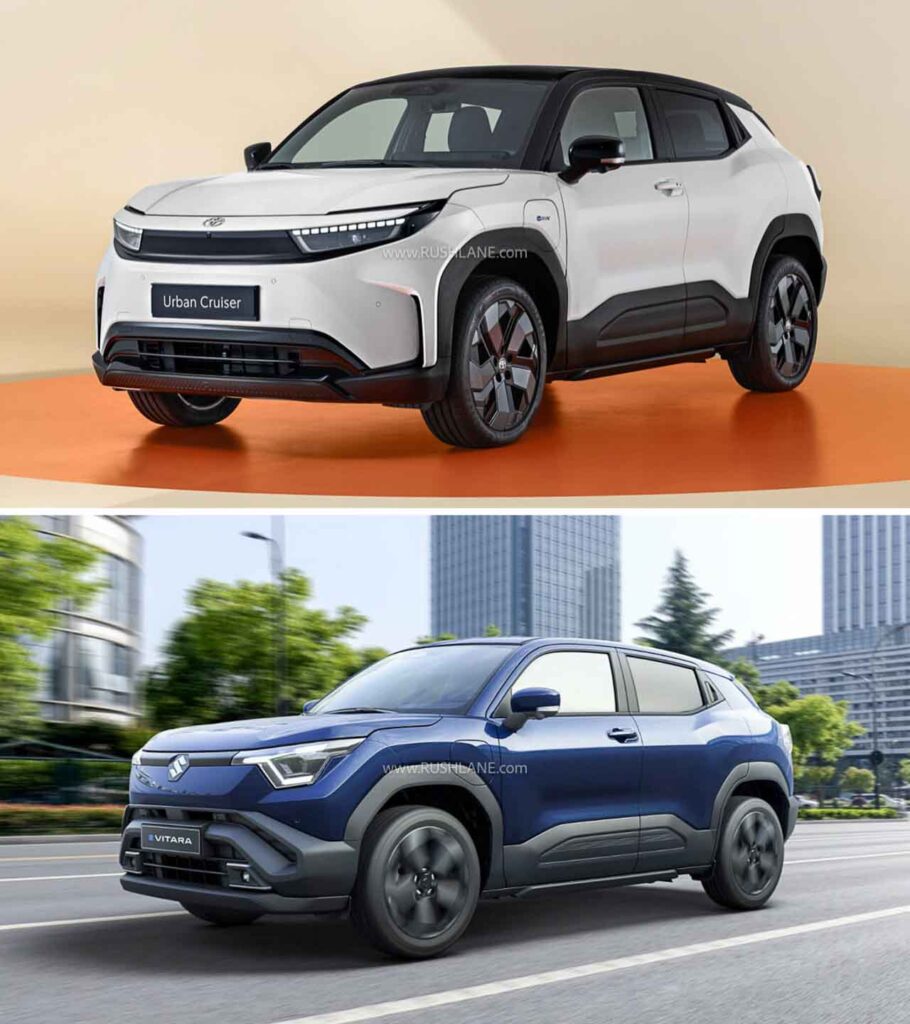
Initially, electric cars were priced at a premium, limiting their appeal. However, that is changing quickly. Brands like Tata Motors and MG have proven that EVs can be competitively priced without compromising quality. Upcoming electric cars from Maruti Suzuki, Hyundai, Mahindra, and Toyota are expected to target the mass market aggressively.
Lower running costs are another major advantage. Electricity is significantly cheaper than petrol or diesel, and electric cars require fewer moving parts, reducing maintenance expenses. Over a 5–7 year ownership period, EVs can be considerably cheaper to own than traditional fuel-powered cars.
Popular Electric Cars Shaping India’s EV Landscape
Electric cars like the Tata Nexon EV, Tata Punch EV, MG ZS EV, and upcoming Maruti eVX are reshaping buyer confidence. These cars offer modern design, strong safety ratings, connected features, and respectable performance. Electric SUVs, in particular, are gaining popularity as they combine long range with road presence and practicality.
By 2026, almost every major manufacturer in India is expected to offer multiple electric models across different price segments. This competition will further drive innovation, improve quality, and benefit consumers.
Environmental Impact and Long-Term Sustainability
Electric cars play a crucial role in reducing carbon emissions, especially in urban areas. While EVs are not entirely emission-free due to electricity generation methods, their overall environmental footprint is significantly lower than internal combustion engine vehicles.
As India increases its share of renewable energy sources like solar and wind, electric vehicles will become even cleaner. The shift to EVs aligns perfectly with India’s long-term sustainability goals and global climate commitments.
Challenges That Still Need Attention
Despite rapid progress, challenges remain. Charging infrastructure in rural areas is still limited, and battery recycling systems need stronger regulation. Consumer awareness about EV ownership and long-term benefits also requires improvement.
However, these challenges are transitional rather than permanent. With continuous investment and policy support, they are expected to diminish significantly by 2026.
Final Thoughts: Electric Cars Are No Longer Optional
The future of electric cars in India is no longer a question of “if” but “how fast.” By 2026, EVs will be practical, affordable, and widely accepted. They will not just coexist with petrol and diesel cars — they will challenge them directly.
For Indian consumers, electric cars represent more than just a new technology. They represent freedom from rising fuel costs, cleaner air, and a smarter way to move forward. The electric revolution has begun, and India is firmly on the fast lane.