EV vs Petrol Cars in 2026 – Cost, Performance & Future Comparison Guide
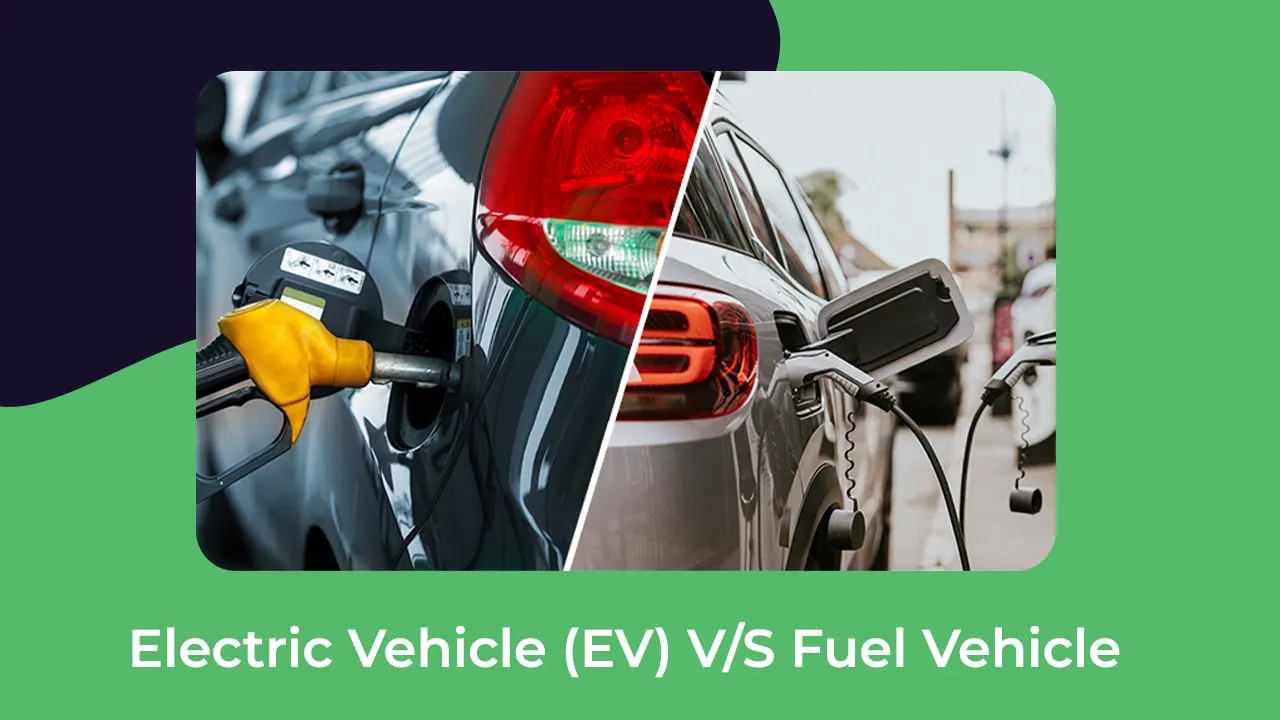
Confused between electric vehicles and petrol cars? Explore a detailed comparison of EVs vs petrol cars based on cost, mileage, maintenance, and environmental impact.
Introduction
With rising fuel prices and growing environmental awareness, the debate between electric vehicles (EVs) and petrol cars has become more relevant than ever. Whether you’re planning to buy your first car or upgrade, understanding the pros and cons of both options is crucial.
In this guide, we break down the EV vs petrol car comparison to help you make the right decision.
What Are Electric Vehicles (EVs)?
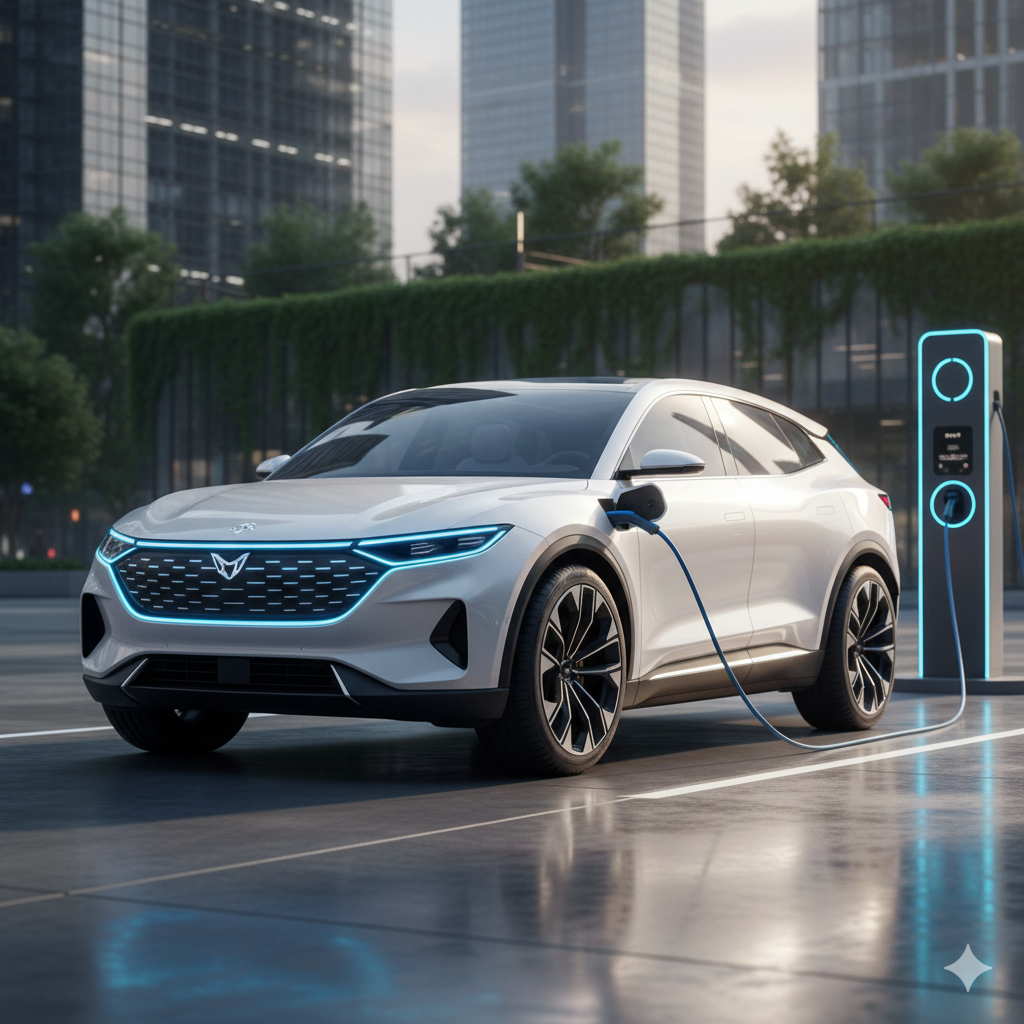
Electric vehicles run on battery-powered electric motors instead of internal combustion engines. They are charged via electricity and produce zero tailpipe emissions.
Key Features of EVs:
- Powered by lithium-ion batteries
- No fuel required
- Silent operation
- Lower running costs
What Are Petrol Cars?
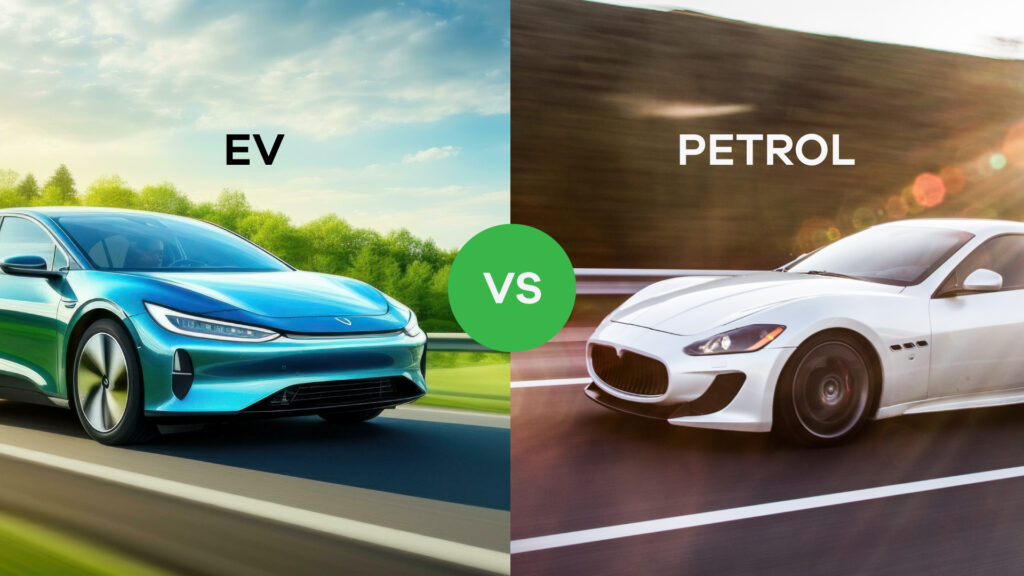
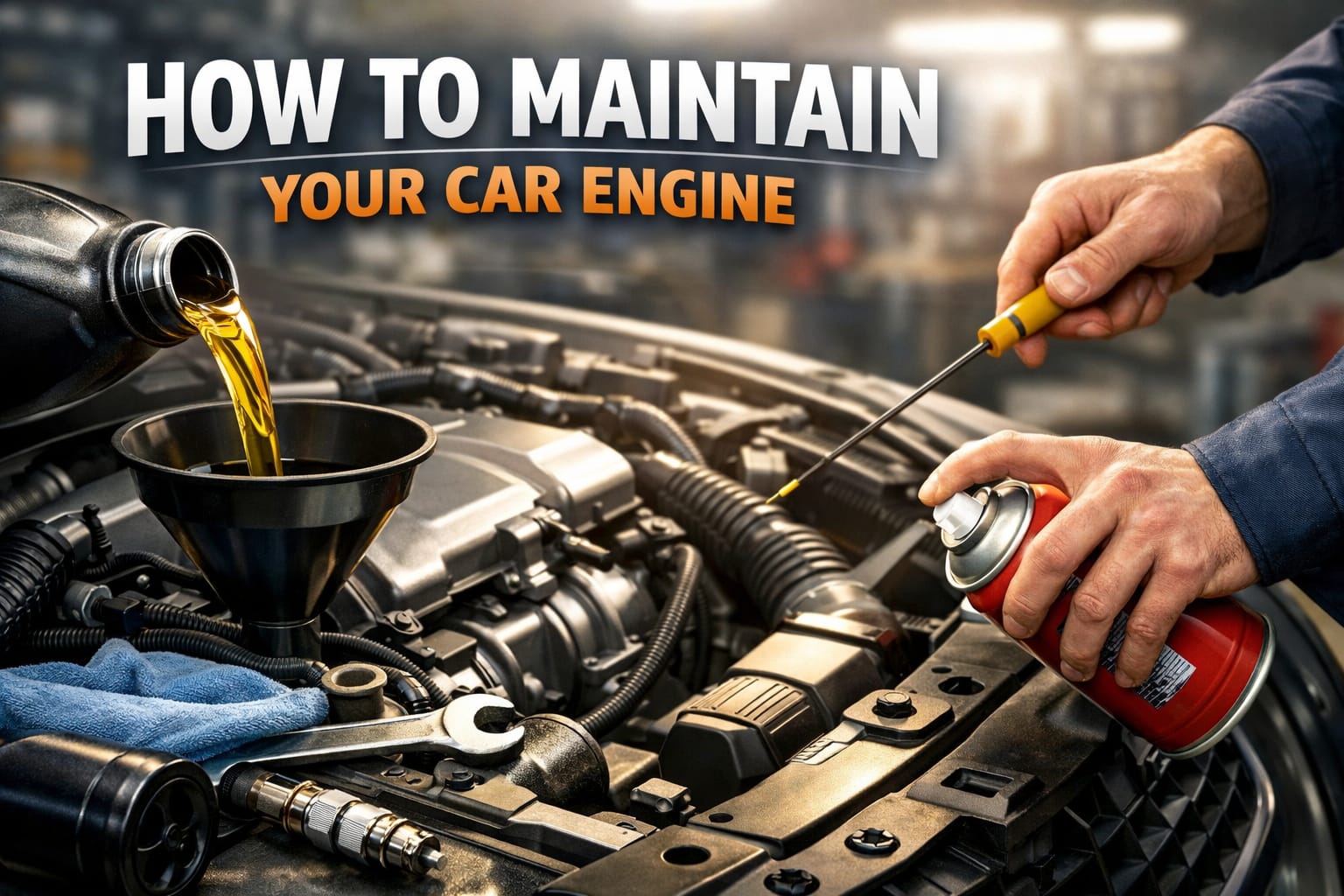
Petrol cars use internal combustion engines (ICE) powered by petrol fuel. They’ve been the standard choice for decades.
Key Features of Petrol Cars:
- Easily available fuel stations
- Lower upfront cost
- Quick refueling
- Proven reliability
Cost Comparison: EV vs Petrol Cars
Factor
Initial Cost
Running Cost
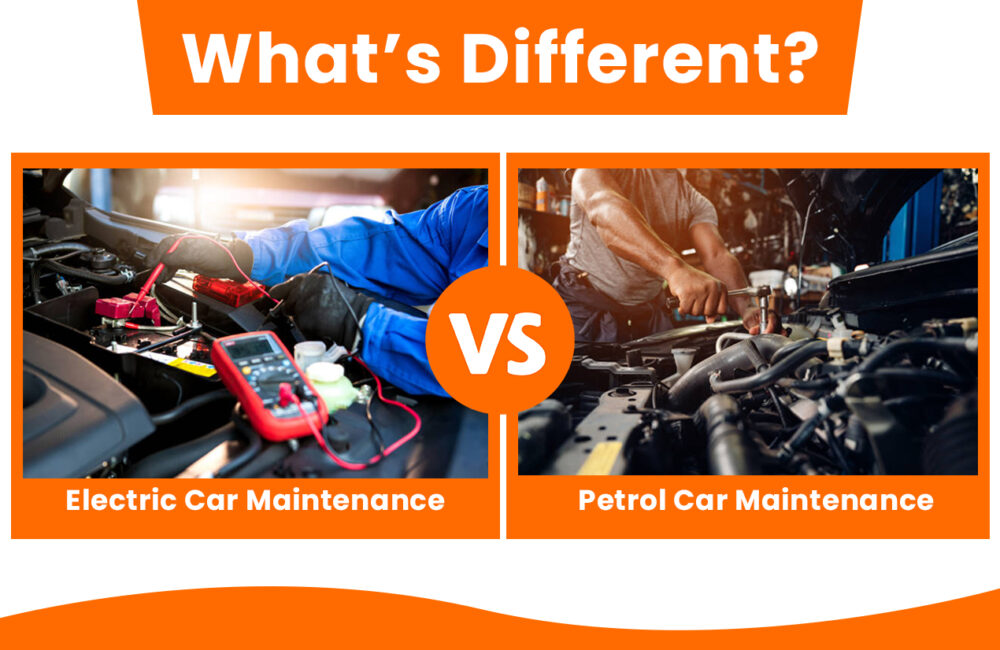
Maintenance
EVS
Higher
Low
Very Low
Petrol Cars
Low
High
Moderate to high
EVs may cost more upfront, but they save money in the long run due to low electricity costs and fewer moving parts.
Mileage & Efficiency
- EVs: Measured in km per charge (e.g., 300–500 km range)
- Petrol Cars: Measured in km per litre
EVs are more energy-efficient, converting up to 85–90% of energy into motion, while petrol cars convert only around 20–30%.
Future of EVs in India
India is rapidly moving towards electric mobility, with government incentives, improved charging infrastructure, and increasing EV options.
In the coming years, EVs are expected to dominate the automobile market.
Conclusion
The choice between EVs and petrol cars ultimately depends on your driving habits, budget, and priorities. While petrol cars still offer convenience, EVs are clearly the future of sustainable transportation.
❓ FAQs
1. Are EVs cheaper than petrol cars in the long run?
Yes, EVs have significantly lower running and maintenance costs.
2. Is charging infrastructure available in India?
Yes, and it is expanding quickly in major cities and highways.
3. Do EV batteries need replacement?
Yes, typically after 6–10 years, but warranties usually cover this.
4. Are EVs good for long drives?
They are improving, but petrol cars still have an advantage for long-distance travel.