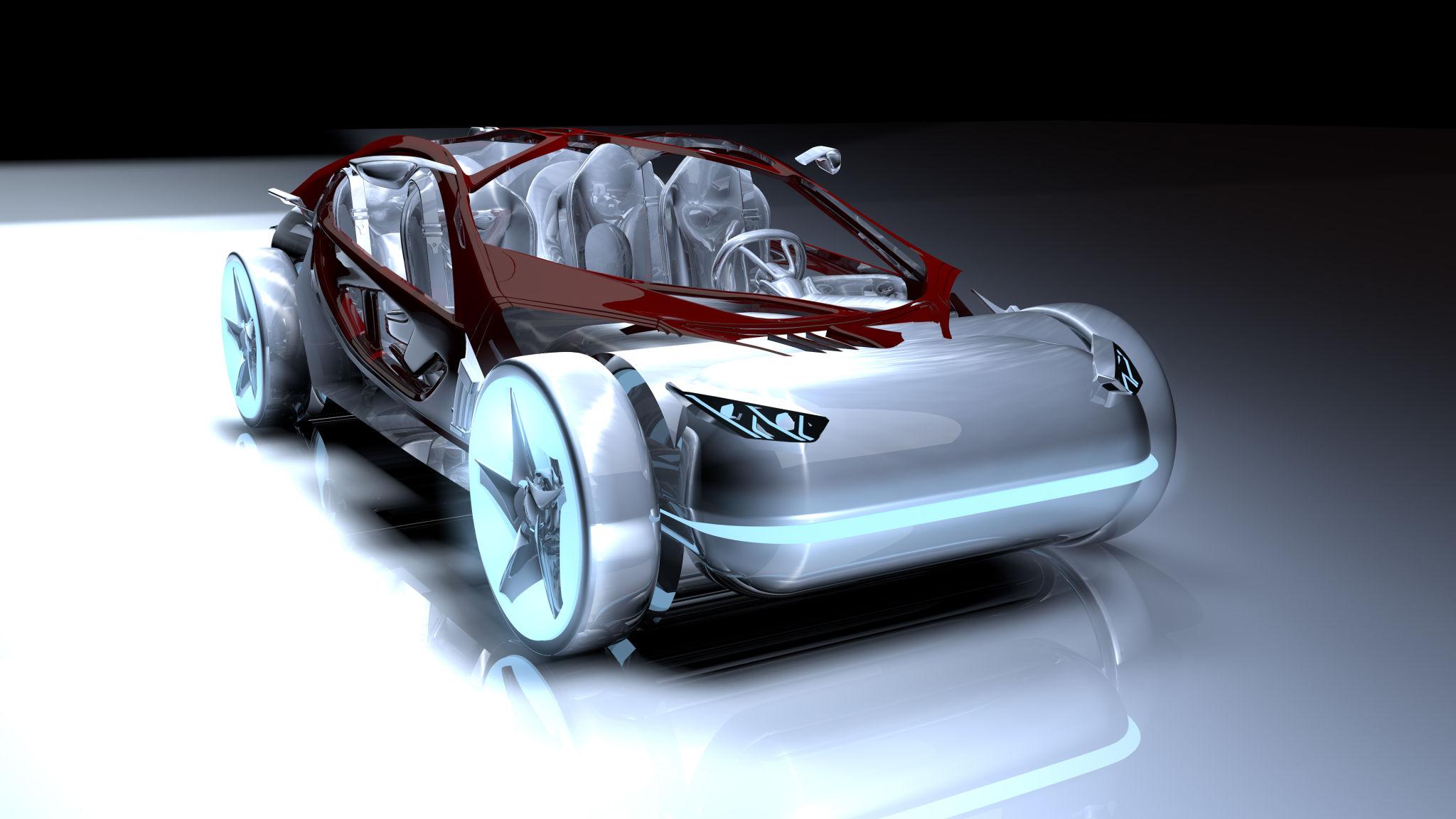
Future of Automobiles: EVs, Self-Driving Cars & Smart Mobility Trends
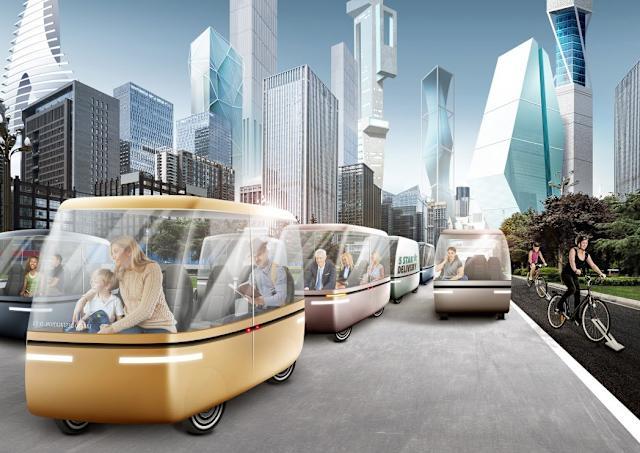
The automobile industry is undergoing one of the biggest transformations in history. From electric powertrains to AI-driven self-driving systems, the future of automobiles is not just about getting from point A to B — it’s about how intelligently, sustainably, and seamlessly we travel.
Let’s explore what the roads of tomorrow will look like.
⚡ 1. Rise of Electric Vehicles (EVs)
The shift from fuel to electricity is no longer a trend — it’s a revolution.
Brands like Tesla, BYD, and Tata Motors are leading the EV movement with innovative models that are eco-friendly and cost-efficient.
Why EVs are the Future:
- Zero emissions 🌱
- Lower running costs
- Government incentives
- Rapid charging infrastructure growth
In the coming years, EVs will become more affordable, with longer ranges and faster charging times — making them accessible to the masses.
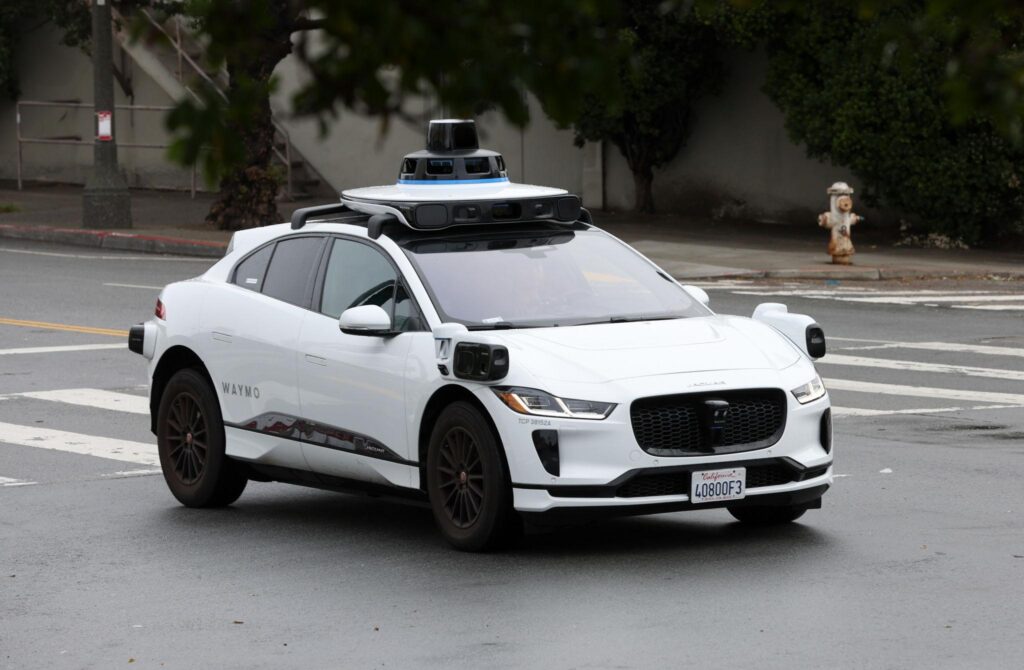
🤖 2. Autonomous Driving (Self-Driving Cars)
Self-driving cars are no longer science fiction. Companies like Waymo and Tesla are already testing and deploying autonomous technologies.
What to Expect:
- Reduced accidents due to human error
- Hands-free driving experiences
- Smart navigation with real-time traffic updates
- Autonomous taxis and ride-sharing
While full autonomy (Level 5) is still evolving, semi-autonomous features are already becoming common in modern cars.
🌐 3. Connected Cars & AI Integration
Cars of the future will be smart devices on wheels.
With AI integration, vehicles will:
- Communicate with each other (V2V)
- Connect with infrastructure (V2I)
- Provide predictive maintenance alerts
- Offer personalized driving experiences
Imagine your car reminding you of service schedules or adjusting temperature and music based on your mood — all powered by AI.
🔋 4. Alternative Fuels & Sustainability
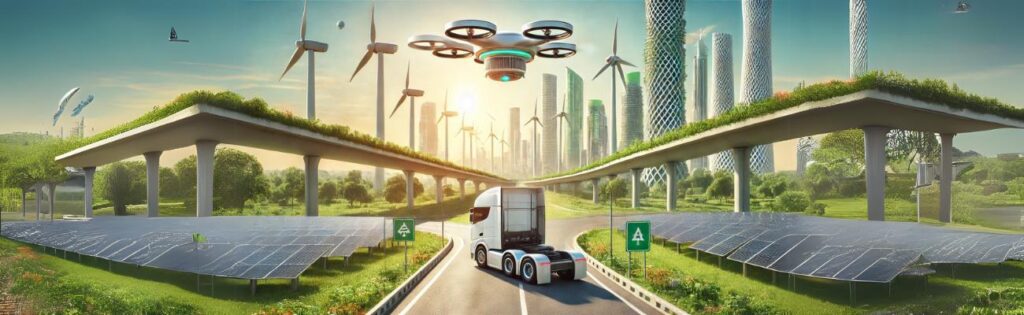
Beyond EVs, other sustainable fuel technologies are emerging:
- Hydrogen fuel cell vehicles
- Biofuels
- Solar-powered cars
Companies like Toyota are investing heavily in hydrogen-powered vehicles, aiming for a cleaner future.
🚘 5. Shared Mobility & Smart Cities
The concept of owning a car may change drastically.
With the rise of ride-sharing platforms like Uber and smart city planning:
- Fewer people may own cars
- More people will rely on shared mobility
- Traffic congestion could decrease
- Parking issues may vanish
Autonomous ride-sharing fleets could dominate urban transportation.
🧠 6. Advanced Safety & Human-Centric Design
Future cars will not only be smarter — they will be safer.
Key Innovations:
- 360-degree sensors and cameras
- AI-based accident prevention
- Driver monitoring systems
- Augmented Reality (AR) dashboards
Cars will actively protect passengers and pedestrians, making roads significantly safer.
🌟 Final Thoughts
The future of automobiles is electric, autonomous, connected, and sustainable. As technology continues to evolve, vehicles will become more than just machines — they will be intelligent companions that enhance our daily lives.
From reducing pollution to improving safety and convenience, the next generation of automobiles promises a smarter and greener world.
❓ Frequently Asked Questions (FAQs) – Future of Automobiles
1. What is the future of automobiles?
The future of automobiles is focused on electric vehicles (EVs), autonomous driving, AI integration, and sustainable fuels. Cars will become smarter, safer, and more environmentally friendly.
2. Are electric vehicles better than petrol cars?
Yes, in many ways. EVs offer:
- Lower running and maintenance costs
- Zero tailpipe emissions
- Smooth and quiet driving experience
Companies like Tesla and Tata Motors are making EVs more affordable and practical.
3. When will self-driving cars become common?
Semi-autonomous cars are already here, but fully self-driving vehicles may become widely available in the next 5–10 years, depending on regulations and technology advancements. Companies like Waymo are leading this space.
4. Will cars in the future be fully electric?
Most experts believe that electric cars will dominate, but other options like hydrogen and hybrid vehicles will also coexist, especially in regions where EV infrastructure is still developing.
5. What are connected cars?
Connected cars use internet and AI to:
- Communicate with other vehicles
- Provide real-time updates
- Offer smart features like voice control and predictive maintenance
They are essentially smart devices on wheels.
6. Is hydrogen fuel a better alternative to EVs?
Hydrogen fuel is promising because it offers:
- Fast refueling
- Long driving range
However, it is still expensive and lacks infrastructure. Companies like Toyota are investing in this technology.
7. Will people stop owning cars in the future?
Car ownership may reduce in urban areas due to:
- Ride-sharing platforms like Uber
- Autonomous taxi services
- Improved public transport
However, personal ownership will still exist, especially in rural and semi-urban regions.